
Travel Tips
Local Ghanaian Meals Every Visitor Should Try
Yello Automotive · 6 October 2026 · Updated 6 October 2026
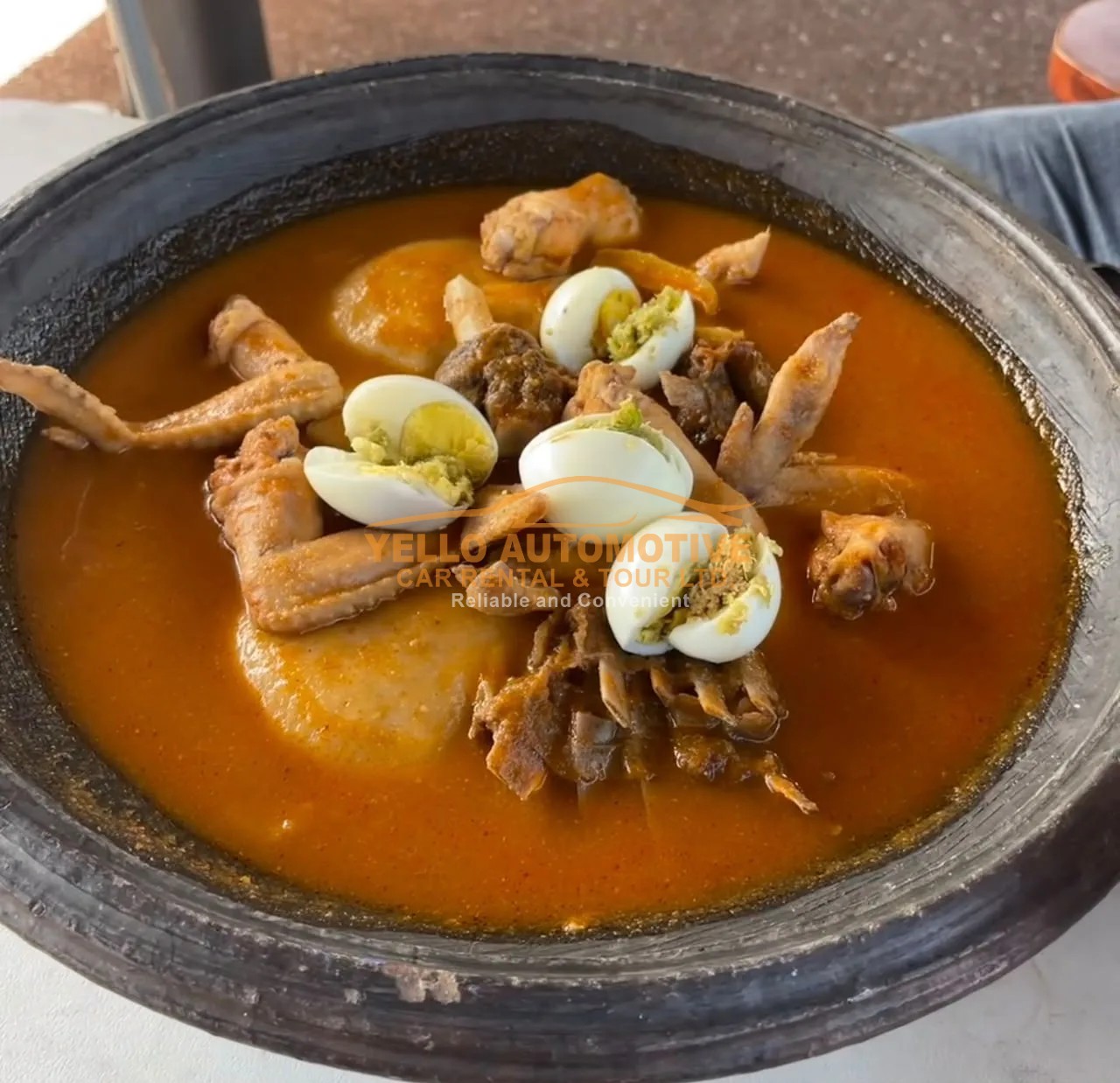
Food is a big part of the Ghana experience. From fufu and banku to waakye, jollof and kelewele, here are some local meals every visitor should try.
Food is one of the best ways to experience Ghana.
Across the country, meals reflect local ingredients, traditions, regions and family recipes that have been passed down through generations.
Some dishes are eaten throughout Ghana, while others are more closely associated with particular ethnic groups or regions.
If you are visiting Ghana for the first time, these are some local meals worth trying.
> Food note: Ghanaian dishes can vary from one restaurant, home or region to another. Ingredients, spice levels and preparation methods may differ, so always ask if you have allergies or dietary restrictions.
1. Fufu
Fufu is one of Ghana's most famous traditional meals.
It is usually made by pounding cooked starchy ingredients such as cassava and plantain until they become smooth and soft.
It is commonly served in a bowl of soup with meat or fish.
Popular soup choices include:
- Light soup
- Groundnut soup
- Palm nut soup
- Green or leafy soups
Ghana Tourism Authority describes fufu as one of the country's popular traditional meals and notes that it is commonly served with soups and assorted meat or fish.
What does fufu taste like?
Fufu itself has a mild flavour.
Most of the flavour comes from the soup and the meat or fish served with it.
How is fufu eaten?
Traditionally, a small portion is taken with the fingers of the right hand and dipped into the soup before eating.
Some people prefer to use cutlery, especially if they are trying it for the first time.
Yello Tip
Do not feel pressured to eat it exactly the way everyone else does.
The important thing is to enjoy the meal.
2. Banku and Tilapia
Banku is another popular Ghanaian staple.
It is prepared mainly from fermented corn and cassava dough, giving it a slightly sour taste.
One of the most popular combinations is banku with grilled tilapia.
It is often served with:
- Fresh pepper sauce
- Shito
- Sliced onions
- Tomatoes
- Other accompaniments depending on the restaurant
Why try banku and tilapia?
- It is widely available
- It gives you a good introduction to Ghanaian flavours
- The grilled fish and pepper complement the soft banku
- It works well for lunch or dinner
Yello Tip
Ask how spicy the pepper is before adding too much.
Ghanaian pepper sauces can be much hotter than some visitors expect.
3. Waakye
Waakye is one of Ghana's most popular rice dishes.
It is made by cooking rice and beans together and is especially popular as a breakfast or lunch meal.
Waakye is often served with several accompaniments.
Depending on the vendor, you may find:
- Spaghetti
- Boiled egg
- Fried plantain
- Meat
- Fish
- Shito
- Vegetable salad
- Gari
Ghana Tourism Authority describes waakye as a rice-and-beans dish commonly served with additions such as spaghetti, egg, avocado, protein and pepper sauce.
Yello Tip
Waakye portions can become very large once you start adding sides.
If you are trying it for the first time, start with a few accompaniments and add more later if needed.
4. Ghana Jollof Rice
Jollof rice is one of West Africa's best-known dishes, and Ghana has its own popular style.
The rice is cooked in a seasoned tomato-based sauce and may be served with:
- Chicken
- Beef
- Fish
- Goat
- Salad
- Fried plantain
- Shito
Ghana Tourism Authority lists jollof among the foods commonly enjoyed by both locals and visitors.
Yello Tip
Jollof tastes different depending on who cooks it.
Trying it at more than one restaurant is part of the experience.
5. Kenkey and Fish
Kenkey is made from fermented corn dough and has a slightly sour taste.
It is commonly wrapped before cooking and served with fish and pepper sauce.
Popular accompaniments include:
- Fried fish
- Grilled fish
- Fresh pepper
- Shito
- Sliced onions
- Tomatoes
Different areas of Ghana have their own styles of kenkey.
Yello Tip
If you enjoy strong traditional flavours, kenkey is definitely worth trying.
6. Red Red (Gob3/Beans & Fried Riped plantain)
Red red is a comforting Ghanaian meal made with beans stew and usually served with fried ripe plantain.
It can also be accompanied by:
- Gari
- Fish
- Egg
- Avocado
The combination of savoury beans and sweet fried plantain makes it especially easy for many first-time visitors to enjoy.
Yello Tip
If you are unsure where to begin with Ghanaian food, red red can be a friendly introduction.
7. Kelewele
Kelewele is spicy fried ripe plantain.
The plantain is seasoned before frying, usually with spices that may include ginger, pepper and other seasonings.
It is commonly eaten as a snack or side dish.
You may find it:
- At roadside food stands
- At restaurants
- At evening food spots
- As part of larger meals
Yello Tip
Kelewele is best enjoyed hot and freshly fried.
8. Ampesi
Ampesi usually refers to boiled starchy foods such as:
- Yam
- Plantain
- Cocoyam
It can be served with different sauces or stews.
Common accompaniments include:
- Kontomire stew
- Garden egg stew
- Palava sauce
- Fish or meat
Ampesi is a good option if you want something traditional but less heavy than some soup-based meals.
9. Groundnut Soup
Groundnut soup is made with peanuts and is rich, smooth and flavourful.
It is often eaten with:
- Fufu
- Rice balls
- Banku
- Other starches
The soup may contain:
- Chicken
- Goat
- Beef
- Fish
Yello Tip
If you have a peanut allergy, avoid groundnut soup and always tell the restaurant clearly about your allergy.
10. Light Soup
Light soup is a spicy tomato-based soup commonly eaten with fufu and other staples.
Despite the name, it can still be very flavourful and spicy.
It may be prepared with:
- Goat
- Chicken
- Fish
- Beef
Yello Tip
If you do not eat very spicy food, ask the restaurant whether they can recommend a milder option.
11. Palm Nut Soup
Palm nut soup is prepared from palm fruit and has a rich flavour and distinctive colour.
It can be served with:
- Fufu
- Rice
- Other traditional starches
Different households and restaurants prepare it differently.
12. Tuo Zaafi
Tuo Zaafi, often called TZ, is especially associated with northern Ghana.
It is usually served with soup or green leafy sauces.
The texture is soft, and the meal is filling.
If you are travelling beyond southern Ghana, it is worth trying dishes that reflect the food traditions of the northern regions too.
Ghanaian Food Changes by Region
Ghanaian food is not exactly the same everywhere.
Different regions rely on different crops and ingredients.
In southern and western Ghana, foods such as:
- Cassava
- Plantain
- Cocoyam
are commonly used.
In northern Ghana, staples such as:
- Millet
- Yam
- Corn
are more prominent.
This regional variety is one of the reasons food can become such an interesting part of travelling around Ghana.
Is Ghanaian Food Spicy?
Some Ghanaian dishes can be very spicy.
Pepper is commonly used in:
- Soups
- Stews
- Shito
- Fresh pepper sauces
However, not every dish is extremely hot.
If you do not tolerate spicy food well, ask before ordering.
Yello Tip
It is much easier to add more pepper than to remove it.
Start small.
Can Visitors Eat Ghanaian Food with Their Hands?
Yes.
Some traditional Ghanaian meals are commonly eaten with the right hand.
This includes foods such as:
- Fufu
- Banku
- Kenkey
- Tuo Zaafi
Restaurants often provide water for washing your hands before and after the meal.
Using a spoon or fork is also perfectly fine if that is more comfortable for you.
What Should You Drink With Ghanaian Food?
Popular non-alcoholic options can include:
- Water
- Fresh fruit juices
- Sobolo
- Asaana
- Coconut water
- Malt drinks
Availability depends on the restaurant or area.
Street Food or Restaurant?
Both can be part of the Ghana food experience.
Street food
Street food can be:
- Affordable
- Quick
- Authentic
- Easy to find
Restaurants
Restaurants may offer:
- More seating
- A wider menu
- Air conditioning
- Table service
- Easier explanations for visitors
Yello Tip
Wherever you eat, choose places that look clean, busy and well managed.
Food Allergies and Dietary Restrictions
If you have allergies or dietary restrictions, ask questions before ordering.
Important ingredients to check for may include:
- Peanuts
- Fish
- Shellfish
- Dairy
- Eggs
- Meat products
Some soups and stews may contain ingredients that are not obvious from looking at the dish.
Do not assume a meal is vegetarian, vegan or allergy-safe unless the restaurant confirms it.
What Should First-Time Visitors Try First?
If you want a simple starting point, consider:
- Jollof rice
- Waakye
- Red red
- Banku and tilapia
- Kelewele
Then move on to dishes such as:
- Fufu
- Tuo Zaafi
- Kenkey
- Palm nut soup
There is no correct order.
Try what interests you.
A Simple Ghana Food Day
If you want to build food into your day, you could try:
Breakfast
Waakye
Lunch
Banku and tilapia
Snack
Kelewele
Dinner
Fufu with light soup or groundnut soup
You do not need to eat all of these in one day, but it gives an idea of how varied Ghanaian food can be.
Exploring Ghana Through Food
Food is not only about eating.
It is also a way to experience:
- Culture
- Family traditions
- Regional differences
- Local ingredients
- Markets
- Communities
Ghana Tourism Authority describes food as an important part of the Ghana travel experience, with cuisine closely connected to culture and community.
Planning a Food Experience in Ghana
Before heading out:
1. Ask locals for recommendations
2. Check opening times
3. Ask about spice levels
4. Mention allergies clearly
5. Carry some cash
6. Try different dishes
7. Be open to unfamiliar flavours
8. Do not rush the experience
Exploring Ghana Beyond the Plate
A food experience can easily become part of a wider Ghana trip.
You can combine local meals with:
- City tours
- Day trips
- Cultural attractions
- Markets
- Road trips
- Beach visits
- Mountain trips
Whether you are travelling around Accra or heading to another region, trying local food can become one of the most memorable parts of your journey.
Explore available vehicles or book with a driver while discovering Ghana.
*Food preparation, ingredients, spice levels and availability can vary. Visitors with allergies or dietary restrictions should always confirm ingredients directly with the restaurant or food vendor before eating.*